Creeds and the Persecuted Church: Confessing Faith Under Pressure
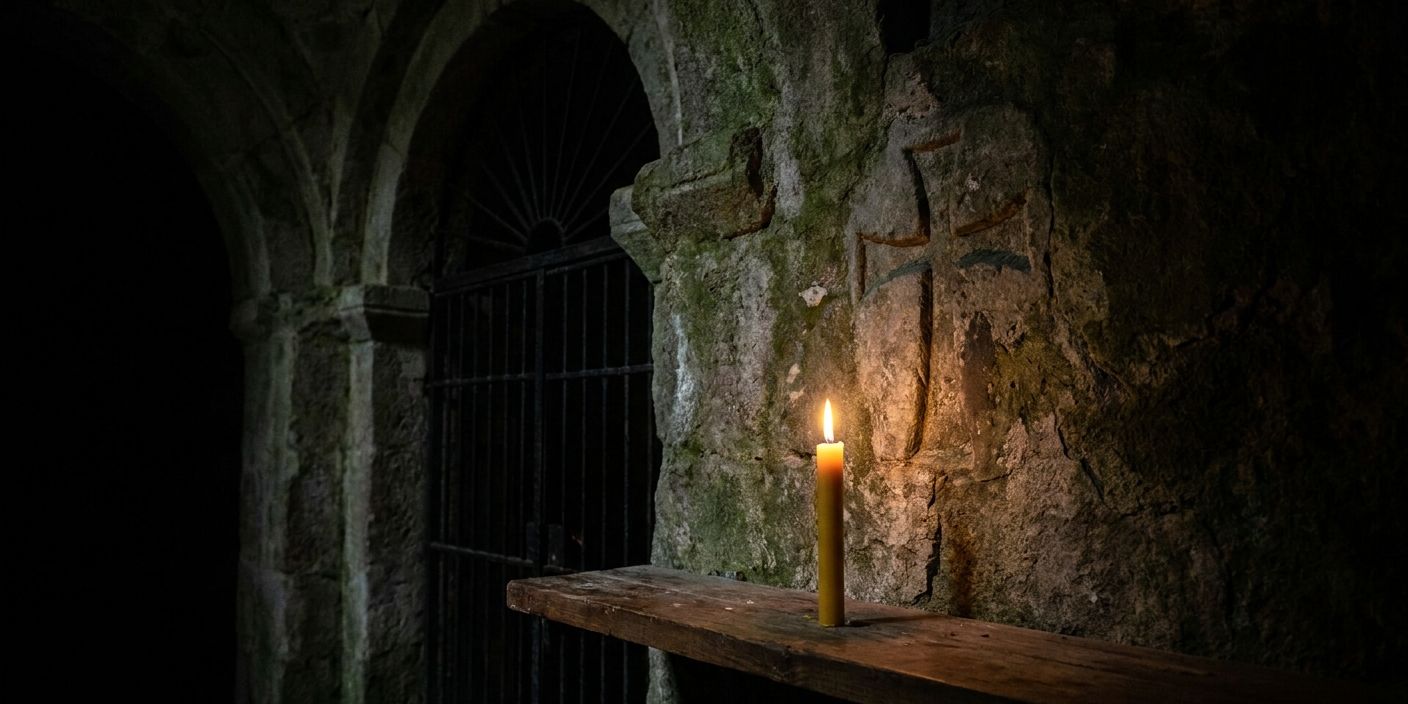

The creeds of the church were not written in comfortable conference rooms. The Nicene Creed was hammered out at a council where theological factions jostled for imperial favor and bishops came representing churches that had recently survived persecution. The Athanasian Creed bears the name of a bishop who spent seventeen years in exile for his convictions. The Apostles' Creed grew from the baptismal confessions of Christians who in many periods faced death for making their faith public. Persecution has always been the pressure test of the creeds.
The Persecuted Church Today
The global church in the twenty-first century contains a significant population of persecuted believers — in North Korea, in parts of China and the Middle East, in sub-Saharan Africa and South Asia. For these Christians, the creeds are not historical curiosities but survival equipment. A church that cannot put its faith in words cannot sustain its faith under pressure. When pastors are imprisoned, when Bibles are confiscated, when families are separated, the ability to confess 'I believe in God the Father Almighty, Maker of heaven and earth' becomes a lifeline that requires no paper, no building, and no clergy.
The oral nature of creedal confession has always made it a tool of the persecuted. The earliest Christian confession — 'Jesus is Lord' (1 Corinthians 12:3) — required no written text. It could be whispered, shared, and transmitted from memory. The expansion of the Apostles' Creed preserved this portability. Three short articles, organized around the three Persons of the Trinity, could be carried in the mind and confessed with the mouth even when all external resources were stripped away.
Historical Examples of Creedal Resistance
History gives us powerful examples of how creeds have functioned under persecution. In the Diocletianic persecution of the early fourth century, the church developed sharp distinctions about faithfulness: those who surrendered the Scriptures to the authorities were traditores ('handers-over,' from which we get 'traitor'), while those who maintained their confession were confessors. The creed was the test of faithfulness. In Nazi Germany, the Confessing Church organized itself around the Barmen Declaration — a creedal document — precisely because a shared confessional identity gave the resistance movement coherence and clarity.
In the Soviet era, underground Christian communities in the USSR maintained the faith through memorized catechisms and creedal formulas passed from parents to children, from prisoners to fellow prisoners, from dying believers to those who would carry on. The Nicene Creed was not merely a liturgical formula for these Christians — it was the summary of everything they had risked and lost, and everything that remained worth holding.
What Creeds Offer the Suffering Church
For the contemporary persecuted church, the creeds offer three things that no circumstance can take away. First, a shared identity that transcends ethnicity and nation: the same Nicene Creed is confessed in Chinese house churches, Nigerian village congregations, and American cathedrals. Second, a summary of what is worth dying for — not a political program or a cultural tradition, but a confession about the nature of God and the fact of the resurrection. Third, a connection to the communion of saints: those who confess the creeds under pressure stand in a line stretching from the martyrs of the early church to the confessors of every generation. The creeds remind the suffering Christian: you are not alone. You have never been alone.


